
Seattle School District No. 1 special meeting, date not confirmed yet
3 h 20 min
This board doesn’t post agenda times. Click a board member to jump to where they first speak; we list only members whose voice our check named. Video length 3 h 20 min.
- Who spoke · first speaks at
What happened
What happened at this meeting
Seattle School Board reviews staff plans for reading, math and graduation goals 4:10
- The Seattle School Board held an informational study session in which the academics department described current performance and plans for the district's 3rd grade reading, 8th grade math and Grad Plus goals. 4:10
- After about an hour and 40 minutes on the section and a 5-minute break, the meeting moved on to middle school math. 1:39:44
- A staff member reported that the graduation rate will be 88.2% for the class of 2026, and staff closed with a projected timeline for future curriculum adoptions. 2:17:20
- The meeting adjourned at 7:48 PM. 3:19:49
Item by item (7)
- Opening and session overview 2:42
- The board president called the special meeting to order at 4:31 PM and called the roll. 2:42
- The superintendent, attending online, said the session would describe where students are academically, where the district wants to go and how it plans to get there. 4:10
- The superintendent said the district will pilot a school quality review at 21 schools this year, alongside a new survey tool and school data. 15:55
- District goals and school improvement plans 18:31
- Third grade literacy 28:13
- A staff member said 3rd grade literacy proficiency has hovered around 60% and described four shifts: consistent scheduling, the Emerge curriculum, districtwide coaching and professional development. 28:13
- The staff member said over 1,000 educators had been trained on Emerge, with 24,000 hours of professional learning and about 3,000 hours of school-based coaching. 44:24
- Asked by a board director how many classrooms were using Emerge, the superintendent estimated between 75% and 85% of teachers were attempting it. 56:45
- Eighth grade math 1:39:44
- A staff member said the goal is to go from 50% to 66% in 8th grade math and that math coaching now reaches all K-8 and middle schools. 1:49:44
- A board director asked what middle schools are doing to offer advanced math coursework. 2:04:45
- The staff member said there are more geometry sections in 8th grade and more opportunities for acceleration are planned. 2:05:56
- Graduation Plus 2:17:09
- A staff member said the graduation rate will be 88.2% for the class of 2026 and described grade and graduation reviews across 19 high schools. 2:17:20
- The staff member said 36% of 6th through 12th graders had completed their first task in the new School Links tool. 2:24:15
- A student representative said School Links was easier to navigate than Naviance, and student representatives also spoke about advisory periods. 2:26:36
- Curriculum adoption timeline 2:56:28
- A staff member said curriculum adoptions take an 18-month process and that Emerge cost $7 to $9 million. 2:57:01
- A board director asked whether board policy should give guidance on how often instructional materials are adopted, and a staff member said the policy committee would be a place for that discussion. 3:03:11
- The superintendent said a 10-year adoption is too long. 3:08:14
- Closing 3:18:42
Written by software from the meeting's transcript and checked sentence by sentence against it.
What was said
What board members said, in order
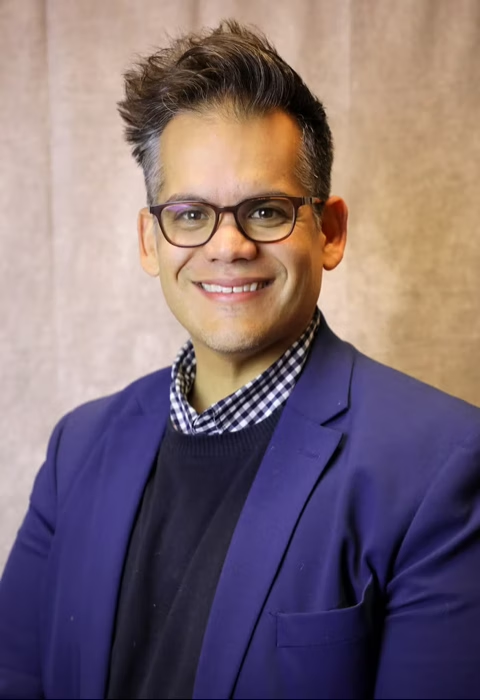
One, I know with past, uh, curriculum implementation we've struggled with the fidelity of that implementation, and, um, I guess this is maybe a little speculative, but like if, if we were to walk into a random elementary school classroom What percent right now would you say is actually doing the Emerge curriculum?Joe Mizrahi · Director56:45
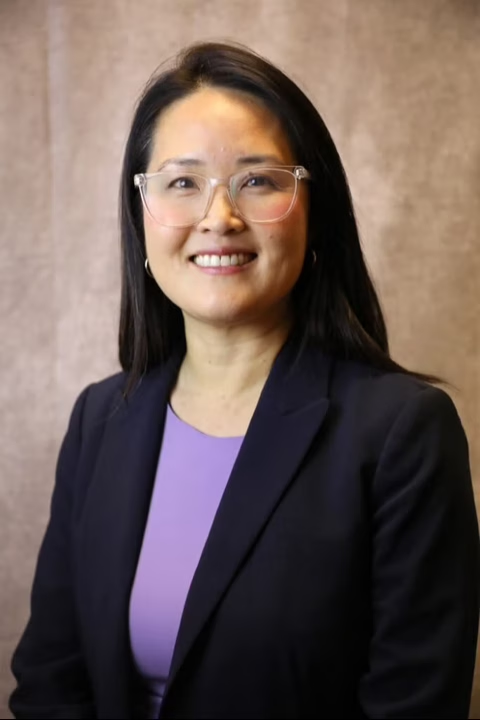
I wanted to ask about curriculum-embedded assessments. How are curriculum-embedded assessments different with this curriculum versus what they were in the previous curriculum? And what are we using the curriculum-embedded assessments for? At the teacher level, principal level, and maybe kind of higher level?Vivian Song · Director1:03:07
It— I mean, you gave a good overview of kind of like looking at projected years of new adoptions and, and the finances, but something that I would also like to see would be sort of an analysis of where we need updated curricula because of how our students are being served.Kathleen Smith · Director3:07:26
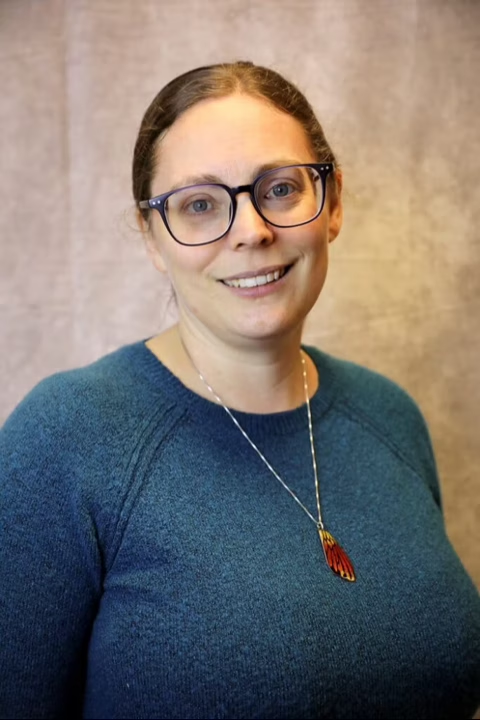
I know you, you did address some of the concerns, but just look at the sort of like that needs-based, like where are, where are the curricula failing our kids that might be more urgently in need of attention?Kathleen Smith · Director3:08:02
Can you help me understand what is the role of standards from OSPI and how we should be thinking about them with curriculum adoptions?Vivian Song · Director3:10:28
Once we've adopted a curriculum, like, what is a reasonable amount of adjustment we can make, and what kind of system do we have in place to react to like, oh, this wasn't exactly what we had planned for and we're going to adjust?Vivian Song · Director3:14:50
Other meetings
Other meetings of this board
Video: posted by the district as “Seattle Schools Board Special Meeting Oct 21, 2026”